Access to data alone does not drive discovery. Several research platforms now make large datasets available, but the work of turning that data into meaningful insight can still be slow. Researchers often need to build or assemble their own analysis tools before they can begin answering scientific questions.
The Gabriella Miller Kids First Data Resource Center (Kids First DRC) was built to close that gap. By combining large-scale pediatric research data with the cloud-based analysis tool CAVATICA, Kids First DRC provides an ecosystem where researchers can move from access to action.
One of the clearest examples of that ecosystem working as intended comes from Dr. Tychele Turner, principal investigator of the Turner Lab at Washington University in St. Louis. Supported by an NIH R03 Kids First grant (R03HD116062), Turner and her team developed a set of genomic analysis tools specifically designed to analyze Kids First data within CAVATICA. They then made those workflows publicly available so other researchers could use them as a starting point.
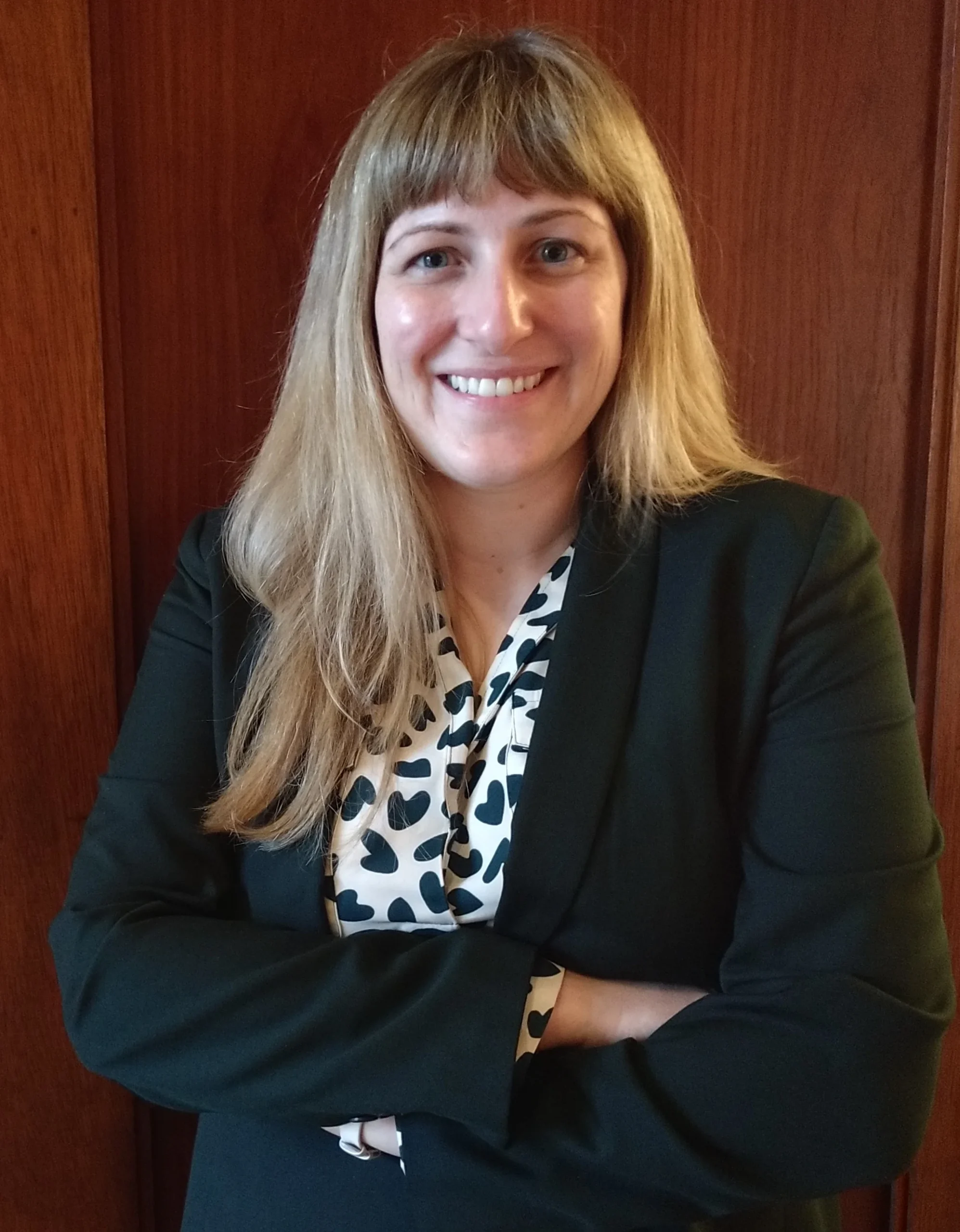
Tychele Turner, PhD
Principal Investigator, Washington University
It marks an important moment for the Kids First DRC platform. Researchers can now step directly into a working environment with proven tools and real analysis examples, allowing them to begin exploring their data much more quickly.
For the Kids First DRC ecosystem, this is exactly the kind of cycle that accelerates discovery.
Precision genomics and building the bridge to discovery
The Turner Lab focuses on precision genomics, studying how genetic variation contributes to neurodevelopmental disorders such as autism and related conditions. Their work explores how different types of genetic variation influence disease risk and development.
“We’re trying to understand all the genetic differences in a person and how those differences affect health and development,” said Turner. “A big part of our work is building the bridge between what we already know about genetics and the more complex patterns we’re still trying to understand.”
As part of this work, Turner’s team develops computational tools that allow researchers to analyze genomic data more efficiently. But building the tool is only part of the challenge. For Turner, accessibility is just as important as innovation.
“If I can’t run something quickly and easily, I start looking for another solution,” Turner explained. “Our goal is to build tools that researchers can actually use.”
Through their Kids First-supported work, the lab developed three analysis workflows that researchers can use within CAVATICA, the secure cloud-based analysis platform used in the Kids First DRC ecosystem.
- HAT (Hare and Tortoise) identifies de novo genetic variants, mutations that appear in a child but are not present in either parent, using sequencing data from family trios. See HAT: Hare and tortoise.
- EGP (El Genoma Pequeño) analyzes mitochondrial genomes and identifies variants, heteroplasmy, and haplogroups that can provide insight into disease phenotypes. See El Genoma Pequeño in CAVATICA.
- CNPI (Copy Number Private Investigator) rapidly identifies copy number variation in genes, allowing researchers to detect gains or losses of genetic material in minutes rather than hours. See QuicK-mer2 in CAVATICA.
These tools allow researchers to run complex genomic analyses without having to design pipelines themselves.
“When researchers don’t have to recreate the tools from the beginning, they can focus on answering their scientific questions,” Turner said. “That helps everyone get to answers faster.”
From one lab to the research community
The workflows developed by the Turner Lab are now available as public projects in CAVATICA, complete with example data and step-by-step tutorials that guide researchers through the analysis process. Scientists studying similar questions can copy the workflows into their own projects and apply them to their own Kids First datasets.
CAVATICA makes this possible by providing an NIH-compliant cloud environment where researchers can securely access and analyze controlled genomic data without needing to download it to local systems or separate computing infrastructure.
“CAVATICA provides secure access to Kids First data and the tools needed to analyze it in the same place,” said Jeni Cliffe, community manager at Velsera, which supports the CAVATICA platform. “Researchers can launch workflows immediately instead of building the infrastructure themselves.”
Public workflows are especially valuable for researchers who may not have a dedicated bioinformatics team or the resources to build custom pipelines.
“It can be hard to know how to begin when you are working with a new dataset,” Cliffe said. “Public workflows act as templates. Researchers can start from where others left off rather than starting from scratch.”
That shared starting point can make a meaningful difference. Developing and validating a new analysis pipeline can take months or even years. By building on existing workflows, researchers can begin exploring their data much sooner.
The Turner Lab also hopes these tools will help researchers study pediatric disease from multiple perspectives, including both individual patient analysis and larger cross-cohort comparisons. Future work may even enable automated analyses across large genomic datasets within the Kids First ecosystem.
For Turner, the goal is simple.
“We hope these tools help researchers get answers for the kids whose data is in Kids First,” she shared.
The Turner Lab tools are now publicly available in CAVATICA, part of the Kids First ecosystem, offering researchers a proven starting point for analyzing Kids First data and building toward the next breakthrough.







 Bluesky