Childhood is meant for milestones
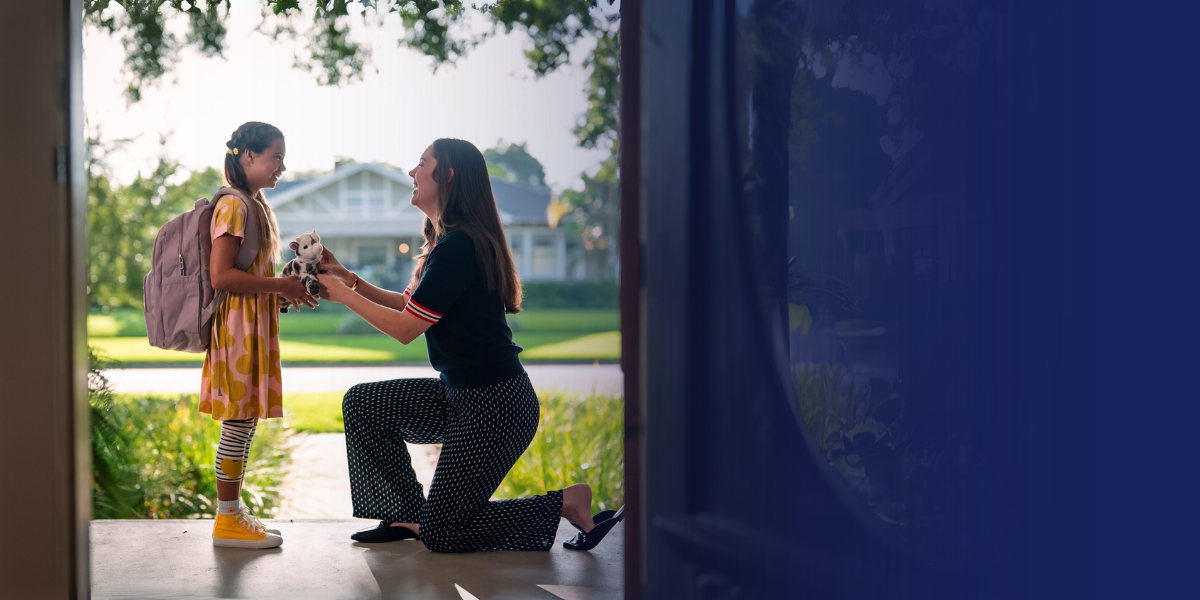
There are beautiful moments in every child’s life that define the story of growing up—moments every child should get to experience.
But for too many families, serious childhood diseases and rare genetic conditions interrupt that story far too soon. These conditions are often so rare that even the most dedicated researchers struggle to gather the data they need to find real answers.
That’s what Kids First works for every day: turning possibility into a plan, and a plan into one child’s future.
The new What If video captures that vision. It shows what happens when discovery and compassion work hand in hand—when data becomes the bridge between questions and cures, and “what if” can become “what’s next.”
From numbers to one child
Big numbers alone don’t save lives. But when quality, rare conditions data and resources are shared widely through advanced analytics platforms, it helps scientists make discoveries that reach children with rare diseases faster.
Kids First by the numbers:
- 430 million variants
- 1.3 million files
- 150,000 biospecimens
- 38,000 participants
- 32,000 genomes
- 9,500 families
- 6,000 researchers
- 200 publications
- 37 studies
- 1 child
These figures represent a global community working to give kids better outcomes—and building the evidence to make it happen. At Kids First, big numbers play a support role. The child who benefits when discovery bridges to care? They’re the star.
How data and AI drive precision medicine for kids
When researchers have access to well-organized data, they can ask bigger questions and find answers faster. Shared tools and secure digital workspaces make it possible for scientists and doctors everywhere to build on each other’s progress. And with the help of AI, they can find the patterns that matter most for a child’s diagnosis or treatment.
Together, these efforts bridge the gap between discovery and care.
- Data that’s ready to work: Information is collected and organized consistently so researchers can spend more time discovering and less time sorting.
- Collaboration that multiplies impact: Families, foundations, clinicians, and scientists all contribute to—and benefit from—the same shared knowledge.
- AI that earns trust: Smart technology helps make connections faster, guided by transparency and accuracy every step of the way.
- Impact that’s personal: Every insight moves us closer to earlier answers, more customized treatments, and more hope for each child and family.
“‘What If’ reminds us why this work matters. When we unite open data with AI and a global community, we can turn millions of data points into one precise answer for an individual child—and a future that’s truly theirs.” — Adam Resnick, PhD, Scientific Lead, Gabriella Miller Kids First Data Resource Center
Why we made this film
When most people hear “research,” they picture complex science and statistics. All true—but that’s not the whole story. Behind every dataset is a child with dreams, a caregiver managing appointments, a teacher saving a seat, a team of clinicians searching for answers.
“What If” puts a face to that work: one girl, one family, one life that has new hope because a nation chose to share data, build tools, and keep children at the center.
Kids First will keep driving pediatric innovation forward—openly, collaboratively, and with children at the heart of every breakthrough. Together, we can turn “what if” into the discoveries that shape what’s next.






 Bluesky